Building Industrial Systems That Operators Actually Understand
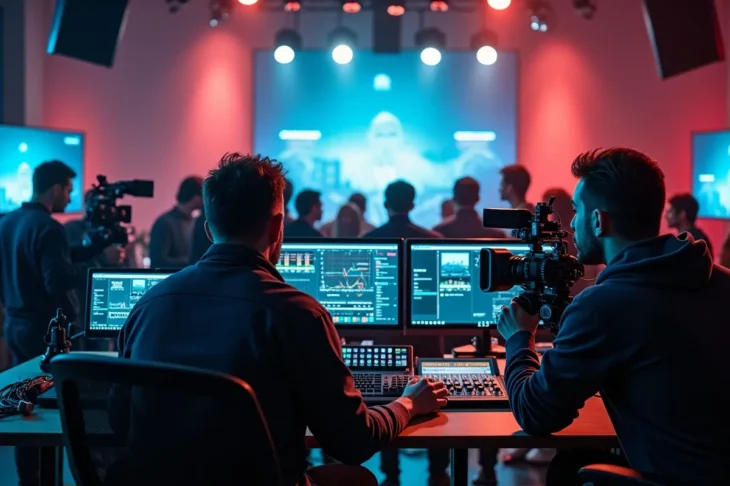
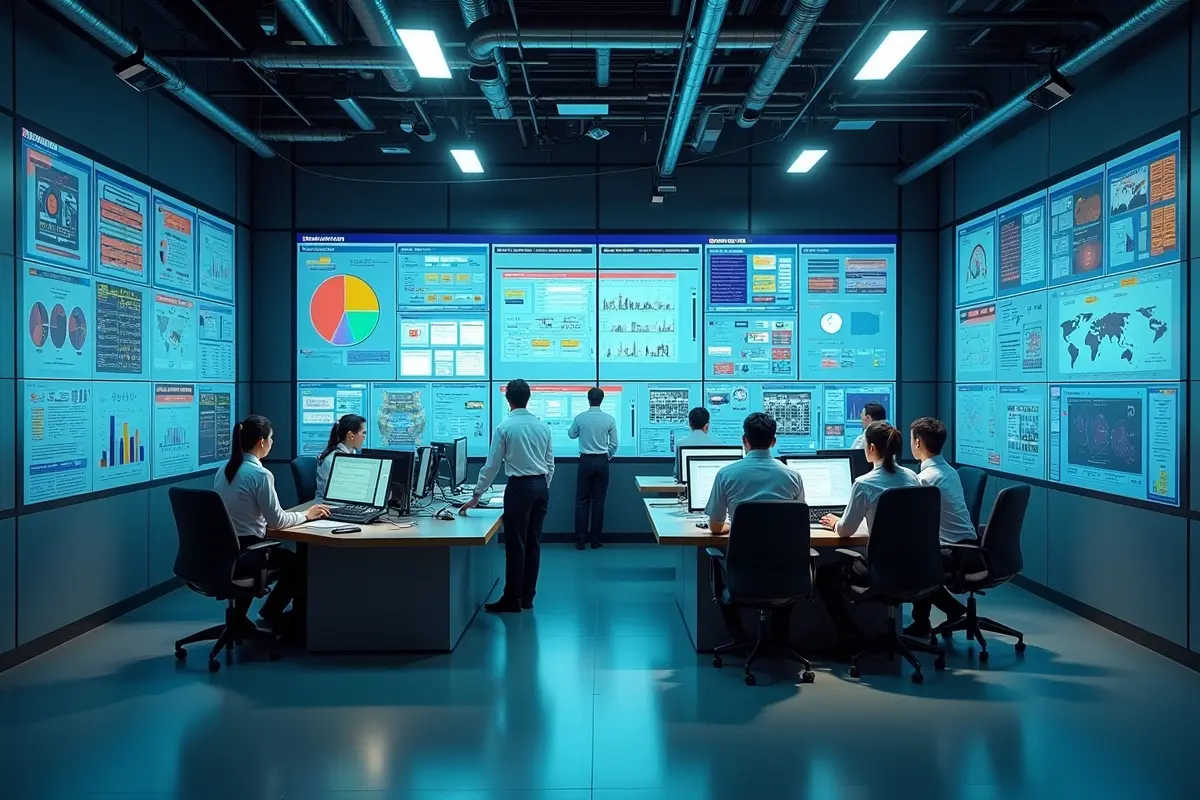
The control room of a modern industrial facility can resemble that of a space shuttle. Banks upon banks of screens, nested menus galore, alarming functions scrolling through faster than the average operator can read. All that technology is impressive, but more importantly, can the personnel running the show effectively use what it provides?
Unfortunately, the gap between what control systems can offer and what operators can meaningfully manage has become critical in far too many industrial sectors. Engineers build systems they deem make the most sense, often from a structural integrity perspective and with the most logical hierarchy of navigable fields and comprehensive functionalities possible.
But when a night shift process supervisor needs to troubleshoot a conveyor jam at 2AM, the complex hierarchy offers little assistance if it takes three different screen navigations just to turn the sensor on.
When Complexity Becomes Inaccessible
There’s a big difference between power and usability. A control system can have thousands of tags, multiple interconnected programs, and nested logic that creates one of the most powerful facilities imaginable. Sure, that’s great for the engineers who designed it and documented all aspects and nuances of each logic path. But six months later, when an operator needs to troubleshoot why a conveyor keeps shutting off and must scroll through three consecutive screens without any clues to find the required answer, it’s no longer beneficial.
Facilities operating from a design-focused perspective that helps an operator understand various settings from day one benefit almost everywhere you look—from response times when issues arise to operator accountability in small adjustments instead of having to call in specialists to newcomer familiarity within weeks instead of months. The compounding effect of these long-term benefits is often not realized at the onset of system designs.
The Importance of Logical Hierarchy
Good control systems design and automation starts with a perspective based on how information flows within the facility itself, not the control system. When logic programming is transferrable to the intuitive physical space and operational expectations, then operators get a sense of familiarization that allows them to start recognizing patterns. Patterns help immensely from minor adjustments to emergency diagnostics.
This doesn’t mean dumbing down the systems. It means finding accessible pathways through nuance that make sense how people think and work. Group equipment together by production area instead of alphabetically by tag name. Create alarm priorities based on realistic reaction times instead of treating everything as equally critical. Present screens that populate what an operator needs to see without forcing them to remember which screen contains the necessary subsetting option.
Interfaces That Make Sense
The best interfaces fade into the background when everything operates seamlessly. However, as soon as something needs to grab attention, the best systems present all necessary data without requiring an operator to interpret acronyms or remember that “PV_103” equals valve #3 in Building 2. Clear designations, straightforward status updates, and intuitive operations make all the difference—especially when under time pressure.
Industrial processes don’t slow down so someone can find a manual or request assistance from an outside specialist. As soon as something drifts out of specification, an operator must take meaningful action with clear direction. Systems recognizing this reality keep critical operable aspects within close access and provide obvious sightlines in terms of what needs attention at any given moment.
Training Time That Matters
All facilities have operators they must train on their systems, but the amount of time necessary varies greatly depending on how helpful the system design is for end users. Some facilities boast lengthy shadowing periods before an operator can work independently; others create meaningful contributions within a matter of weeks. Typically, this variance stems from how well the final product was created for actual users.
When operators can derive meaning from progressive structure without needing to consult manuals every few minutes for clarification, they build confidence quickly, begin exploring methods of optimization, and even hone in on nuances that suggest equipment might be struggling before anything serious happens. None of this operational awareness occurs when individuals are plugging away on memorized pathways without understanding what’s going on behind the screens.
The Key is Quick Troubleshooting
It’s not catastrophic failures that create production loss; it’s small problems with large reaction times. A sensor reading that drifts slightly out. A valve that doesn’t open fully enough. A timer function that no one realizes automatically set after the last product run yesterday. These are problems that operators can solve, but only if they figure out what’s wrong quickly first.
Systems that boast clear hierarchies for troubleshooting can empower operators instead of continually calling in specialists without proper training. Control systems can display information sufficient enough for users to narrow down problems; if operators know what sequences usually make sense, they can often trace back and figure out where things went wrong without help. The more distributed troubleshooting efforts available means far less downtime than facilities relying only on a handful of knowledgeable operators.
Documentation That Gets Used
The documentation generated for a control system often sits filed away in an administrative office somewhere and never gets used again. This is partially due to operator disdain toward reading manuals, but mostly it’s because systems deemed overly complicated generate equally complicated documentation, which defeats its purpose for clarity. Well-organized systems require less extensive documentation because their logical structure makes sense.
That doesn’t mean any documentation is required. Instead, the documentation necessary changes what it entails. Rather than exploring for answers that cover basic navigation options and logic flow concerns, helpful records break down setpoints, maintenance activities, and rare occurrences. Operators spend less time looking for answers and more time getting to know their processes’ intrinsics.
The Long-Term Benefit
Facilities exist with control systems for decades. Equipment upgrades occur; processes change; new products emerge. Systems established with operator-friendly comprehension adapt more readily because those operating the facility get engaged appropriately enough with changes and benefits rather than relegated to passive response roles while engineers intervene with adjustments.
The cumulative impact of operators who genuinely know their systems well shows up in reliability percentages, efficiencies realized, and decreased dependency on outside support. While this may not be the flashiest benefit touted during system design planning stages, it’s one of the most valuable ones over a facility’s lifetime.