Room-by-Room Pest Prevention for Warm-Climate Homes
Keeping pests out of a home is usually less about a single dramatic treatment and more about eliminating the small conditions that make a property inviting to pests. Homeowners who want help identifying recurring concerns or building a prevention routine can visit the website for practical pest-control guidance.
Warm climates can support pest activity for much of the year, especially when heat, rain, humidity, and sudden weather changes create new sources of moisture and shelter. A quick inspection, regular cleaning, and early action can reduce the chance that an occasional visitor becomes a larger household issue.
Why Pests Appear When They Do
Most household pests are looking for three things: food, water, and shelter. A few crumbs under a toaster, a slow plumbing leak, or a stack of boxes in a humid garage can provide exactly what an insect or rodent needs to stay nearby. The weather can intensify the problem. Heavy rain may drive roaches and ants toward dry indoor spaces, while extended heat can make shaded, air-conditioned rooms more attractive.
One insect does not always mean an infestation. It may have wandered inside through an open door or a loose screen. Repeated sightings in the same area, however, are worth investigating because they often indicate a nearby resource or entry point.
Seasonal Pest Patterns
In warm, humid parts of the South Central United States, pest pressure can shift with the seasons rather than disappear completely. Spring rain and rising temperatures often increase activity from ants, termites, flies, and mosquitoes. Summer heat can bring more roaches, spiders, wasps, and mosquitoes, particularly around outdoor eating areas and standing water.
Fall can encourage rodents and certain insects to seek protected indoor spaces, while mild winters may allow pests to remain active around foundations, garages, and utility areas. Weekly removal of water from containers, toys, planters, and birdbaths matters because mosquitoes lay eggs in or near water and can reproduce in surprisingly small amounts.
A Room-by-Room Pest Check
A useful home inspection does not need to take all afternoon. Set aside 20 to 30 minutes once a month and focus on rooms with food, moisture, clutter, or exterior access.
Kitchen
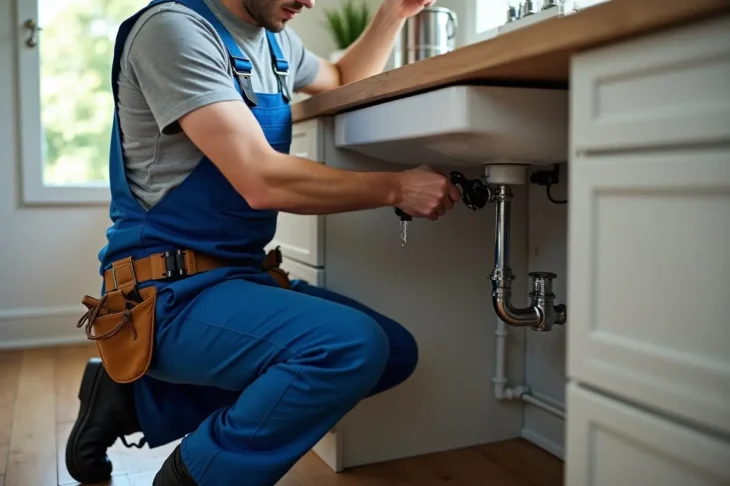
- Look beneath sinks for drips, damp wood, or swollen cabinet material.
- Transfer cereal, flour, pet treats, and other dry goods into sealed containers.
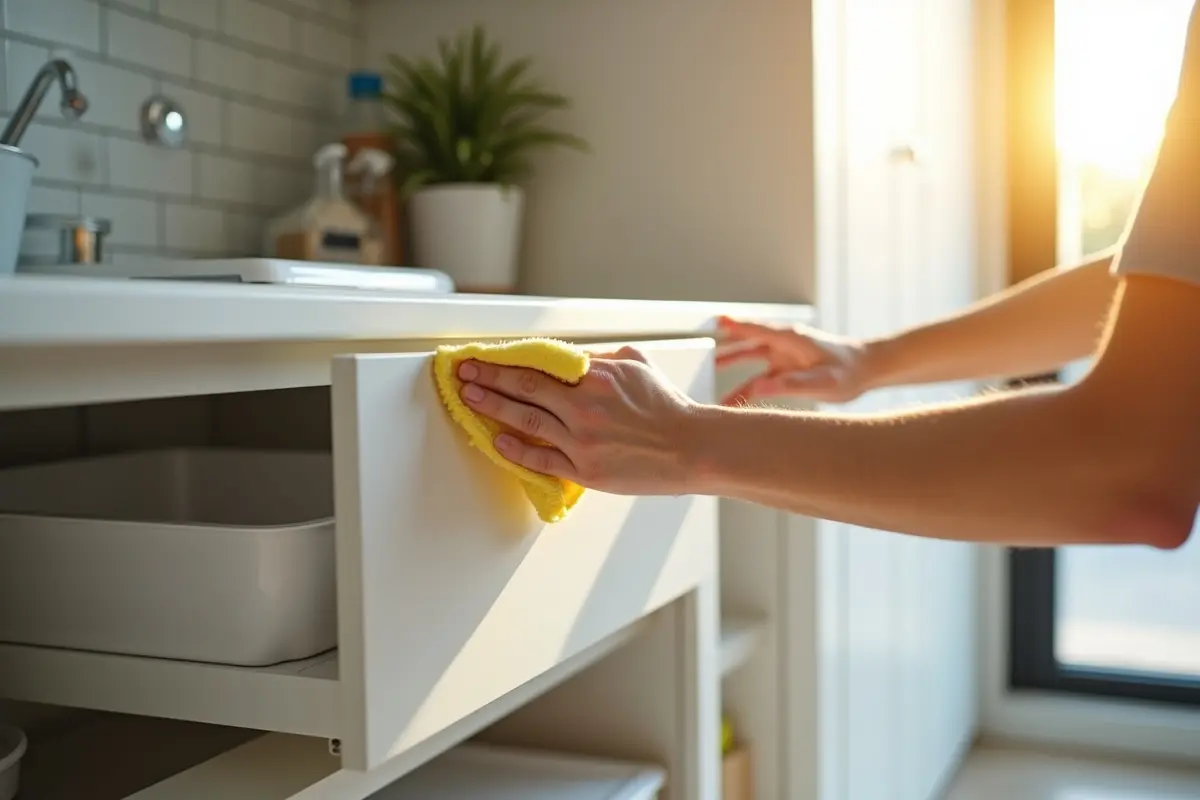
- Clean crumbs from cabinet corners, floor edges, and gaps around appliances.
- Wash pet bowls regularly and avoid leaving food out overnight.
Bathrooms and Laundry Areas
- Check faucets, supply lines, drains, and washing-machine connections for leaks.
- Repair cracked or missing caulk around tubs, showers, and sinks.
- Hang wet towels and promptly remove damp clothing from floors or hampers.
- Use ventilation to reduce lingering humidity after showers or laundry cycles.
Bedrooms and Living Areas
- Inspect windows, vents, baseboards, and doors for openings or damaged screens.
- Look under furniture and inside low-use storage areas for droppings, shed skins, stains, or insect wings.
- Pay attention to musty or unusual odors, especially near walls, closets, or upholstered furniture.
Outdoor Risks That Bring Pests Indoors
The area immediately outside a home can either deter pests or provide them with a convenient path indoors. Keep mulch, leaf piles, stacked lumber, and firewood away from exterior walls. Trim shrubs and tree limbs so they do not touch siding, windows, or rooflines. These materials can hold moisture and create protected travel routes for insects and rodents.
Clear gutters, direct downspouts away from the foundation, and correct areas where water pools after rain. Also inspect buckets, toys, clogged drains, planter trays, and pool covers. Outdoor lights may attract flying insects near entry doors, so consider using motion-activated lighting where practical and keep doors closed when not in use.
How to Seal Common Entry Points
- Replace worn door sweeps and weather stripping.
- Seal gaps around pipes, utility lines, and cable openings.
- Repair torn window and vent screens.
- Inspect the attic and crawl space vents for loose covers or openings.
- Keep garage doors closed and check the bottom seal for daylight gaps.
- Repair small foundation cracks with a material suited to the surface.
Sealing works best when it is paired with moisture control and cleaning. Closing one opening will have limited value if nearby leaks, food debris, or another unsealed gap still make the area attractive.
Remove Food, Water, and Shelter
- Food: Wipe spills quickly, empty trash before odors develop, rinse recyclables, and avoid leaving ripe fruit on counters for days.
- Water: Repair plumbing leaks, dry wet floors, and improve ventilation in bathrooms, laundry rooms, and closets.
- Shelter: Reduce cardboard and clutter, elevate storage bins off damp floors, and keep exterior vegetation and stored materials away from the house.
Prevention should come before random product use. If treatment is necessary, choose only a product labeled for the specific pest and location, because following label directions and safety precautions protects people, pets, and the home environment.
Signs That Need Quick Attention
Act promptly when you see repeated daytime pest activity, fresh droppings, chewed food packages, damaged wires, grease marks along walls, discarded wings, mud tubes, or wood that sounds hollow when tapped. These signs can indicate rodents, termites, or other pests living in hidden areas. Avoid disturbing a nest or handling stinging insects without proper equipment.
DIY Methods or Professional Help?
DIY steps may be appropriate for an occasional outdoor insect or a clearly identified, minor problem that can be solved by cleaning, removing a water source, and sealing an opening. Professional help is often the better choice when pests return after prevention efforts, affect several rooms, cannot be identified, or involve termites, bed bugs, rodents, or hidden nests. Homes with serious sting allergies also deserve extra caution.
A Simple Monthly Prevention Plan
Every Week
- Wipe counters, sweep kitchen floors, and empty indoor trash.
- Check under sinks and remove standing water.
Every Month
- Inspect door sweeps, screens, and garage seals.
- Check behind stored items, trim exterior plants, and inspect gutters or drains.
After Heavy Rain or Extreme Heat
- Walk the foundation for pooling water, new cracks, or increased insect activity.
- Empty outdoor containers and inspect damp indoor rooms.
Small Habits Can Make a Large Difference
No home is completely isolated from nature, particularly in a warm climate. Still, a clean kitchen, a dry foundation, a sealed doorway, and a fast response to warning signs give pests fewer reasons to stay. Consistent monthly maintenance can often prevent a small concern from becoming a larger household problem.