
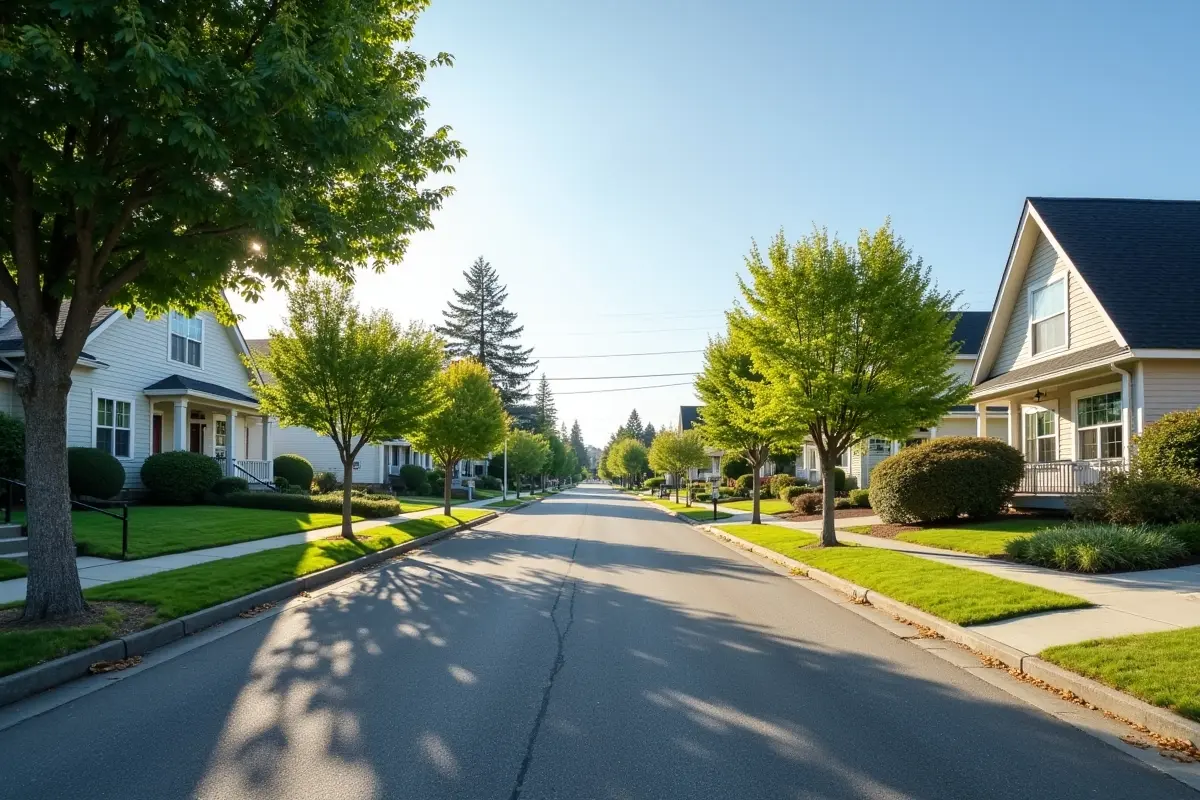
How To Compare Bellingham Neighborhoods Before Buying A Home
Buying a home is not only about finding the right number of bedrooms or a renovated kitchen. The neighborhood will shape your commute, errands, outdoor time, monthly costs, and long-term flexibility. Working with Bellingham WA real estate experts Julian and Company can help buyers connect property details to the practical realities of each area.
There is no universally best Bellingham neighborhood. A walkable location near services may be ideal for one household, while another may prioritize a larger yard, quieter streets, or an easier drive to work. The goal is to choose an area that works well on an ordinary weekday, not just during an exciting first showing.
Why Location Should Come Before The House
It is easy to get attached to finishes, square footage, and a beautiful view. Those details matter, but they do not change the time it takes to reach work, pick up groceries, get to school, or visit a park. A smaller home in a convenient location may offer more day-to-day value than a larger home that creates a long drive for every routine task.
Start by thinking about the places you visit most often. Consider travel time, transit access, sidewalk and bike connections, parking, nearby health care, grocery options, street noise, and access to trails. A neighborhood should support the life you actually live, rather than an idealized version of it.
Start With A Personal Neighborhood Scorecard
A simple scorecard can make a broad search more objective. Rank each neighborhood from one to five based on the factors that matter most to your household. Use the same criteria every time so one memorable open house does not outweigh practical concerns.
- Monthly housing budget and likely ownership costs
- Commute, school, and regular errand routes
- Walkability, bike access, and transit options
- Lot size, privacy, and outdoor space
- Home age, condition, and expected maintenance
- Access to shops, services, parks, and trails
- Noise level, parking, and street activity
- Resale appeal and flexibility for future needs
A neighborhood can look excellent online and still feel inconvenient during a weekday morning. Write down observations immediately after each visit, then compare your notes before deciding which homes deserve a second look.
Compare Areas By Daily Lifestyle
Walkable Core Areas
Areas closer to downtown, Fairhaven, and established commercial corridors can put restaurants, coffee shops, services, and community events within easier reach. Buyers may find older homes, smaller lots, tighter parking, and more street activity. Convenience can be worth the tradeoff when walking and short trips are priorities.
Established Residential Areas
Mature residential sections often appeal to buyers who value trees, traditional home styles, and quieter blocks. However, older homes may require closer attention to roofs, plumbing, electrical systems, drainage, and insulation, as well as deferred maintenance. A thorough inspection is particularly important when character and age go together.
Newer Growth Areas And Nearby Communities
Newer neighborhoods may offer townhomes, condos, updated systems, and planned amenities. They can also include homeowners’ association rules, dues, and shared-maintenance responsibilities. Buyers considering Ferndale, Blaine, or other nearby communities should compare not only home size and price, but also commute patterns, services, and the amount of driving built into everyday life.
Look Beyond The Listing Price
The purchase price is only one part of affordability. A home farther from central Bellingham may cost less upfront but create higher fuel, vehicle, and time costs. A newer condo may reduce immediate repair needs while adding monthly association dues. Compare the full monthly picture before deciding one area is a better value.
- Property taxes and homeowners insurance
- Flood, earthquake, or specialty coverage when appropriate
- Association dues and special assessments
- Utilities, internet, parking, and commuting costs
- Well, septic, private-road, or drainage responsibilities
- Likely repairs based on the home’s age and condition
Check Housing Types And Future Flexibility
Think beyond what the home needs to do today. Could it accommodate a home office, a growing household, aging relatives, hobby space, or future rental income? Condos, townhomes, single-family homes, accessory dwelling units, and small multi-unit properties each involve different responsibilities and possibilities.
Local rules can also affect the choices available in a neighborhood. The City’s middle housing rules in Bellingham provide useful context for buyers who want to understand how duplexes, townhomes, cottages, and accessory dwelling units may fit into residential areas over time.
Study The Block, Not Just The Neighborhood Name
A neighborhood label does not tell the whole story. One block may be calm and shaded, while another nearby has heavier traffic, limited parking, steep driveways, commercial activity, or ongoing construction. Visit the immediate area in the morning and evening, on a weekday, and on a weekend, if possible.
- Listen for traffic, trains, deliveries, and event noise.
- Check street lighting, sidewalks, drainage, and parking conditions.
- Look for retaining walls, slopes, and access challenges during wet or cold weather.
- Drive the route to work, school, groceries, and regular appointments.
- Ask about planned housing, road, or commercial projects nearby.
Use Parks, Trails, And Public Projects As Clues
Public improvements can change how a neighborhood functions. Parks and trail connections can improve recreation and bike access, while road changes or new development can affect traffic and activity. For example, the Sunset Pond Recreation Area includes a loop trail and connections that help illustrate how nearby outdoor infrastructure can influence daily routines and neighborhood appeal.
Try A Simple Three-Day Neighborhood Test
- Day One: Drive through during the morning commute and note traffic, parking, and noise.
- Day Two: Walk or bike to nearby services, parks, and transit stops.
- Day Three: Return after dark to assess lighting, activity, and the overall feel of the street.
Repeat this process in two or three areas. Direct experience makes it easier to spot the difference between a home that photographs well and a location that genuinely fits your routine.
How To Make The Final Choice
Before writing an offer, compare three things side by side: the total monthly cost, the location’s impact on your time and convenience, and the home’s adaptability if circumstances change. Avoid choosing based only on photos, a bargain price, or the excitement of a first tour. The right Bellingham neighborhood is usually the one that balances budget, lifestyle, maintenance, and future needs without creating daily compromises you will regret.