
A Practical 2026 Checklist for Buying a Mountain Home
Buying a mountain home can be exciting, but a dramatic view and polished finishes do not tell the full story of ownership. Buyers comparing Vail CO homes for sale can use Matthew Blake’s Vail property listings to review available homes while weighing the details that matter after closing, including winter access, maintenance demands, and neighborhood fit.
Based in Vail and serving nearby Eagle County communities such as Beaver Creek, Avon, Edwards, EagleVail, and Wolcott, Matthew Blake provides local search tools and market guidance that can help buyers compare property types across the valley.
A mountain property needs a buying plan that goes beyond a standard suburban checklist. Snow, elevation, steep terrain, private roads, seasonal weather, and remote utility systems can all affect cost, comfort, safety, and resale potential. The right home works reliably in real conditions, not just one that photographs well.
Why Mountain Homes Need a Different Buying Plan
Mountain homes face conditions that flatter neighborhoods may not. Freeze-thaw cycles can stress roofs, decks, driveways, and foundations. Heavy snow can limit parking and emergency access. A steep driveway may be manageable in summer but difficult after a storm. Remote locations can also mean longer service calls, private utilities, limited internet options, or shared road obligations.
Start by separating the enjoyable features from the essential ones. A fireplace, ski room, deck, and view may enhance the experience, but dependable heat, drainage, access, and insurance availability protect the investment. A home used every weekend has different requirements than a primary residence occupied throughout the winter.
Step One: Define How You Will Use the Home
Before touring properties, decide what success looks like for the purchase.
- Primary residence: Prioritize commuting time, dependable broadband, storage, healthcare access, school needs, and all-season reliability.
- Second home: Evaluate travel distance, security, caretaker availability, shut-down procedures, and the cost of maintaining an empty home.
- Vacation rental: Confirm local licensing, zoning, HOA restrictions, occupancy rules, parking, and conservative operating assumptions before counting on revenue.
- Long-term hold: Focus on construction quality, land stability, repair exposure, and the home’s appeal to future buyers.
Step Two: Compare Location Beyond the View
Visit the property at different times of day and, if possible, in different seasons. Measure the drive to groceries, medical care, schools, restaurants, airports, and emergency services. Test cell coverage and internet service at the exact address rather than assuming nearby homes have the same connectivity.
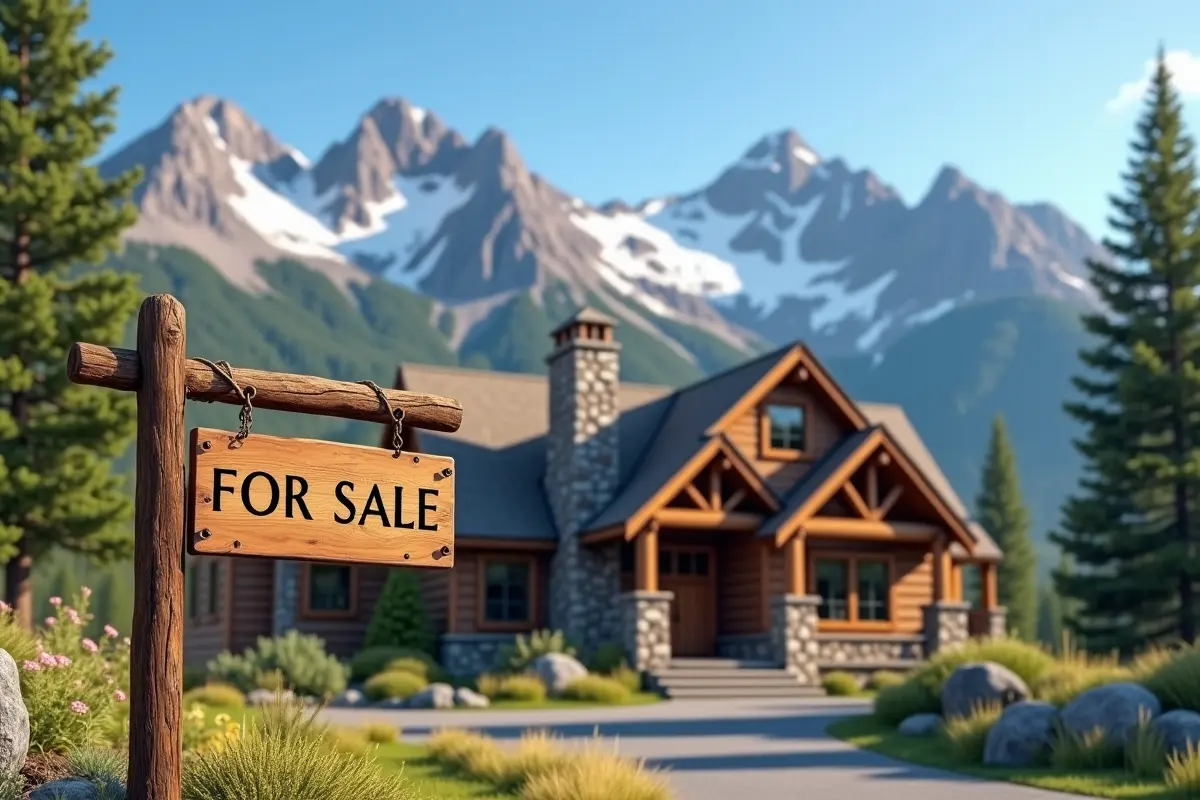
Photorealistic mountain home in Vail at golden hour, viewed from a quiet, snow-lined driveway, with warm light streaming through the windows, dramatic peaks in the background, soft shadows, and a welcoming yet practical atmosphere.
Also, examine road width, turning space, driveway grade, winter parking, and whether visitors can arrive safely. Ask whether the home is near a creek, steep slope, wildfire-prone area, or avalanche terrain. For winter trips into mountain areas, review public travel guidance from the Colorado Avalanche Information Center before heading into snow-covered backcountry or unfamiliar terrain.
Step Three: Review Winter Access and Snow Management
Winter access should be a direct conversation with the seller, HOA, road association, and local service providers. Ask these questions before the inspection deadline:
- Who plows the road and driveway, and what does the service cost?
- Is snow removal included in HOA dues or a private-road agreement?
- Can emergency vehicles reach the home during a major storm?
- Where is snow stored without blocking the driveway, stairs, or drainage?
- Will the driveway require four-wheel drive, snow tires, chains, or special equipment?
- Are the roof, decks, stairs, and railings designed for local snow loads?
Step Four: Inspect Major Systems Thoroughly
Mountain weather places additional strain on exterior materials and mechanical systems. Review the roof’s age, design, drainage, and maintenance history. Identify the heating source, fuel delivery arrangements, backup heat, annual service records, and pipe-freeze protections. Check insulation around the roofline, crawl space, walls, and plumbing.
Pay close attention to windows, doors, gutters, grading, retaining walls, decks, stairs, railings, and exposed wood. If the home has a well, septic system, propane tank, private utility line, chimney, or older fireplace, add qualified inspections as needed. A sewer scope, radon test, structural review, chimney inspection, septic evaluation, or snow-load assessment may be worthwhile depending on the property.
Step Five: Check Water, Drainage, and Flood Exposure
Snowmelt and runoff can reveal problems that are invisible on a dry showing day. Look for water stains, damp crawl spaces, mold odors, erosion, cracked retaining walls, and signs of water entering the basement or garage. Ask where roof runoff and spring melt travel, who maintains drainage features, and whether easements affect the land.
Do not rely solely on listing language when evaluating flood exposure. Use the FEMA Flood Map Service Center to review flood map information for the address, then discuss insurance requirements and potential coverage gaps with an insurance professional.
Step Six: Price the Full Cost of Ownership
The mortgage payment is only one line in the budget. Build an annual estimate that includes:
- Property taxes, homeowners’ insurance, and possible wildfire or flood coverage.
- Snow removal, private-road fees, HOA dues, transfer fees, and special assessments.
- Heating fuel, electricity, internet, well or septic service, and seasonal utility use.
- Roof, siding, deck, driveway, drainage, and exterior maintenance.
- Property management, caretaker services, security, and travel costs for second-home owners.
Request an insurance quote before the inspection deadline. Coverage availability, deductibles, exclusions, and renewal terms can materially change the affordability of a mountain property.
Step Seven: Review Rental Rules Before Counting on Income
A desirable mountain address does not automatically mean short-term rentals are permitted or profitable. Confirm city and county licensing, zoning, occupancy limits, lodging taxes, HOA restrictions, noise policies, trash rules, and parking requirements. Estimate furnishing, cleaning, guest communication, management, repairs, and vacancy using conservative assumptions rather than peak-season projections.
Step Eight: Use a Simple Property Scorecard
Compare each finalist using the same weighted categories:
- Location, 25%: Access, services, travel time, neighborhood character, and year-round usability.
- Condition, 25%: Roof, heat, drainage, structure, utilities, and inspection findings.
- Ownership cost, 20%: Insurance, maintenance, snow services, taxes, and association obligations.
- Lifestyle fit, 15%: Layout, storage, guest space, parking, and how the home supports intended use.
- Resale potential, 15%: Broad buyer appeal, practical access, condition, and location within the market.
Common Buyer Questions
Is a mountain home more expensive to maintain?
It can be. Snow management, heating, moisture control, exterior wear, specialized contractors, and private road obligations can increase annual costs. The actual difference depends on the home’s condition, access, elevation, and systems.
Should buyers visit in winter before making an offer?
When possible, yes. A winter visit can reveal driveway traction, snow storage, road plowing, daylight patterns, heating performance, and whether the property feels practical in difficult weather.
Are mountain homes a good investment in 2026?
They can be, but no property should be purchased on appreciation or rental-income assumptions alone. Purchase price, operating costs, insurance, local regulations, demand, and expected holding period all affect the outcome.
Final Offer-Readiness Checklist
- Obtain an insurance quote and review coverage details.
- Review tax records, HOA documents, private-road agreements, and utility information.
- Complete general and specialized inspections where appropriate.
- Confirm winter access, snow removal, heating, roof condition, and drainage.
- Verify rental, zoning, flood, wildfire, and slope-related considerations.
- Estimate annual maintenance and compare the home with recent local sales.
- Make sure the property is suitable for its intended use over the next several years.
Conclusion
The best mountain home is not always the one with the largest view or newest finishes. It is the one that remains accessible, comfortable, insurable, and affordable through changing seasons. Careful review of access, structure, utilities, local rules, ownership costs, and resale appeal can turn a mountain-home search into a more confident 2026 buying decision.