
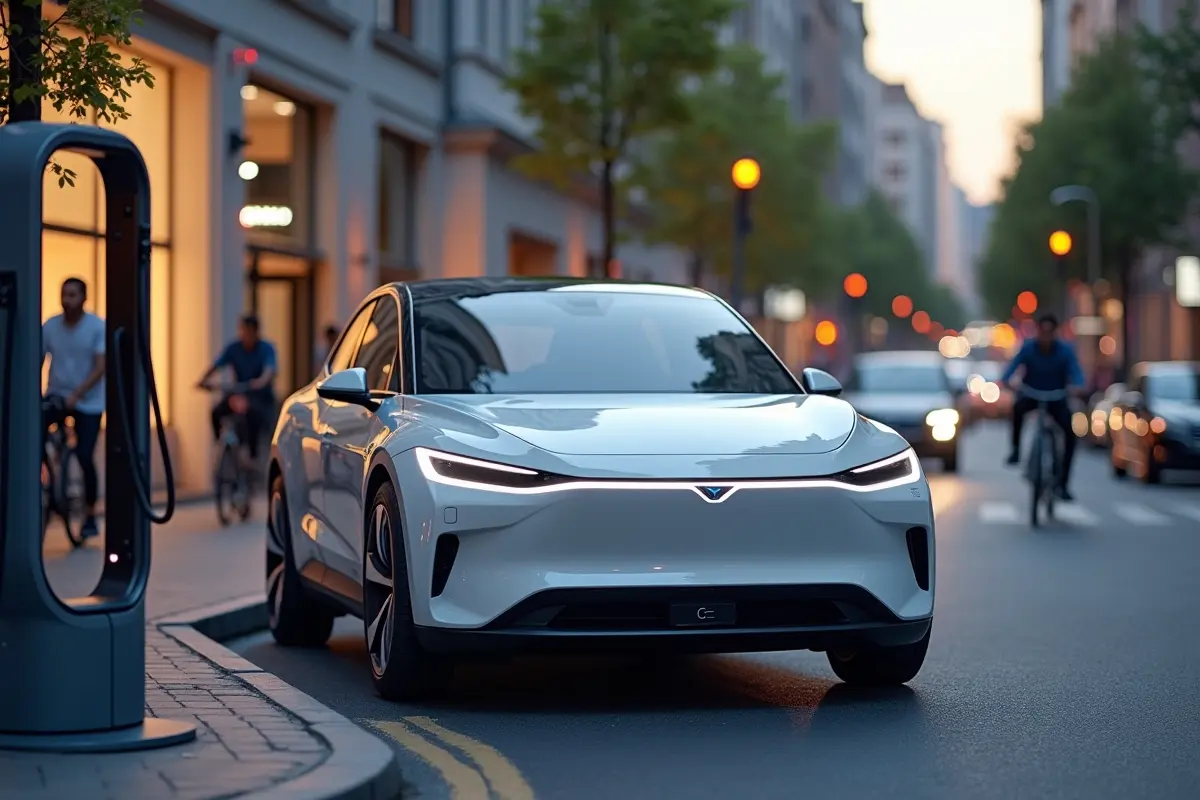
How Electric Vehicles Are Shaping the Future of Personal Transportation
Electric vehicles, or EVs, are fundamentally changing personal transportation by introducing cleaner, more efficient, and technologically advanced alternatives to conventional gas-powered cars. As drivers become increasingly concerned about sustainability and affordability, EVs offer a practical solution to modern mobility challenges. With each new development, electric vehicles are becoming not just a futuristic idea, but a part of daily life for millions.
Consumers, automakers, and governments are all contributing to the rapid advancement of electric vehicle technology and infrastructure. From significant gains in battery efficiency to nationwide investments in high-speed charging stations, EVs are rapidly approaching a tipping point where their adoption is no longer just advantageous but inevitable. Within this revolution, innovations in affordability and accessibility ensure that more people than ever can make the switch to electric.
Alongside immediate benefits for drivers, the transition to electric vehicles is creating new opportunities for energy management, urban planning, and environmental protection. With autonomous driving on the horizon and ongoing advancements in smart energy integration, electric vehicles are at the heart of a global shift in how we move and use energy. As industry experts note, modern advancements in EV batteries, charging, and software are accelerating this evolution and driving widespread change.
Advancements in Battery Technology
The past few years have witnessed groundbreaking progress in electric vehicle battery technology. New battery chemistries, such as silicon-anode lithium cells, now deliver ranges exceeding 400 miles per charge. Manufacturers are also developing 800-volt battery architectures that enable 15-minute DC fast charging from 10% to 80%, dramatically minimizing the inconvenience of traditional long charging times.
Modern battery packs make use of advanced AI-powered thermal management, maintaining up to 97% charge retention even after significant mileage. Learn more about how these innovations are shaping the future of electric mobility.
Such improvements in battery design mean that EVs are finally suitable not only for short city commutes but also for long-distance journeys. Faster charging solutions and longer-lasting batteries address major concerns about usability and reliability, helping drivers feel more confident when switching to all-electric vehicles.
Expansion of Charging Infrastructure
Charging infrastructure is expanding rapidly to keep up with the growing number of EVs on the road. In the United States alone, over 12,000 new fast chargers were installed along major highways in 2025, ensuring that nearly three-quarters of the country’s longest interstates are served by at least one fast-charging station within a 10-mile radius. This effort is critical for alleviating range anxiety and making intercity EV travel practical for families and business travelers alike.
Environmental Impact
One of the primary advantages of electric vehicles is their reduced environmental impact, especially over the vehicle’s lifetime. Although the manufacturing of EVs, particularly batteries, is energy-intensive and currently generates around 30% more carbon emissions than traditional vehicles, this initial environmental cost is quickly offset.
Studies indicate that, through much lower tailpipe and upstream emissions during daily operation, EVs produce at least 50% less total environmental damage over their usable lifespan. As renewable energy sources account for a larger share of grid power, the emissions from EV charging are expected to decrease further, making EVs an even more attractive choice for environmentally conscious drivers.
Autonomous Driving and Vehicle-to-Everything (V2X) Integration
The electric vehicle revolution is not happening in isolation. The rise of autonomous driving technology is converging with advancements in V2X (vehicle-to-everything) integration. V2X allows vehicles to communicate with one another and with infrastructure, essentially turning each EV into a mobile energy storage device capable of returning excess energy to the grid. This innovation helps cities optimize energy use, reduce blackouts, and maintain grid stability during interruptions in solar or wind power production.
Meanwhile, autonomous EV fleets and robotaxi services are predicted to become a $10 trillion market by 2035, greatly altering personal vehicle ownership, particularly in dense urban environments. Companies like Tesla and others are pushing the boundaries here by introducing robotic taxi services and fully autonomous driving features that could ultimately reduce the need for personal car ownership by half in some cities.
Affordability and Accessibility
Historically, the upfront cost of electric vehicles was a significant barrier to widespread adoption. However, innovations in battery technology and manufacturing are rapidly driving prices down. For example, the development of sodium-ion batteries has paved the way for $15,000 EV models aimed at emerging markets.
These batteries utilize materials that can be recycled domestically, reducing both environmental impact and long-term maintenance costs. Leading manufacturers such as BYD and CATL are engineering battery cells rated for up to 1 million miles, reducing maintenance and replacement frequency and lowering total cost of ownership by as much as 40% compared to traditional gas-powered cars.
The rollout of wireless charging pads in public parking lots and along major highways means drivers will soon be able to recharge simply by parking, removing both mechanical and psychological barriers to EV charging and enhancing user convenience.
Global Adoption Trends
Electric vehicle adoption varies by region, with China emerging as the undisputed leader. As of 2024, China accounted for over 70% of the world’s EVs and 67% of global EV sales. This explosive growth is supported by strong government incentives and a robust domestic manufacturing network.
In the United States, adoption of plug-in electric vehicles is growing steadily, with nearly 4.7 million sold since 2010 and a market share that rose to 9.1% in 2023. Other regions, including Europe, are also experiencing surges in EV sales, further solidifying the transition away from fossil fuels in personal transportation.
Challenges and Considerations
While the future of electric vehicles is promising, several challenges remain. The pace of charging infrastructure expansion must keep up with rising sales to prevent bottlenecks. Some consumers continue to worry about range limitations, charging times, and the upfront cost despite recent advances. Additionally, the environmental and ethical issues associated with battery production and the sourcing of critical raw materials, such as lithium and cobalt, require ongoing research and industry attention.
Conclusion
Electric vehicles are transforming personal transportation, with profound implications for individuals and communities worldwide. Continuous progress in battery technology, widespread investments in charging infrastructure, and a commitment to affordability are paving the way for mainstream EV adoption. As more drivers and cities embrace electric mobility, the world moves closer to a sustainable, efficient, and innovative transportation future.