The Homeowner’s Guide to Year-Round Plumbing Maintenance
Keeping your home’s plumbing system functioning optimally is vital for a safe and comfortable living environment. Routine care and maintenance play a crucial role in averting surprise breakdowns, water damage, and avoidable expenses. If you live in the Leland area and need expert advice or services, a plumber can help keep your system in top condition while providing practical upkeep recommendations.
Home plumbing systems are complex networks that require regular attention to avoid the inconvenience of leaks, clogs, or costly repairs. By developing a consistent maintenance schedule and knowing what to look for, you can extend the life of your pipes, appliances, and fixtures while safeguarding your property value and comfort.
Addressing even minor issues early can prevent extensive damage later on. This guide will walk you through step-by-step routines for every season and offer tips for effective inspections, maintenance, and resolutions to common plumbing issues.
In addition to routine residential plumbing care, specialized services like drain cleaning can ensure that even hard-to-reach pipes remain free from obstructions and operate efficiently for years to come.
Regular Inspections
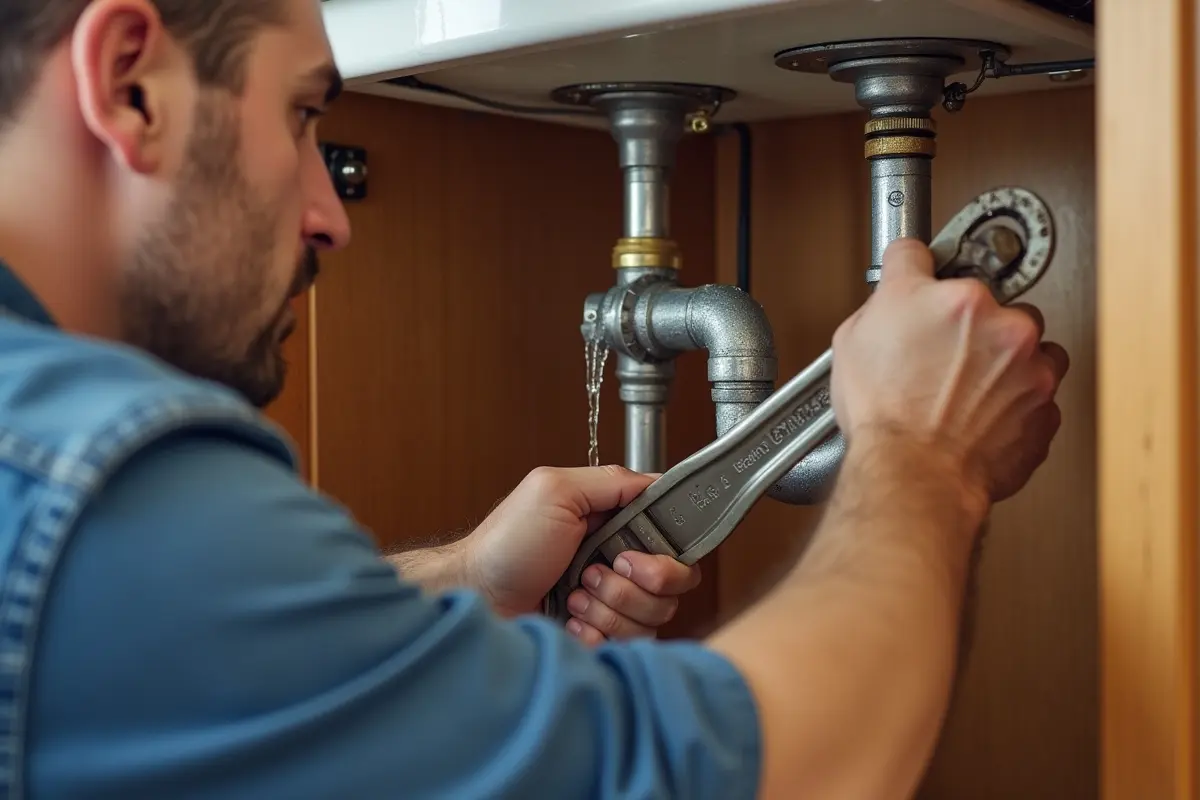
Frequent inspections are the most effective way to catch issues before they evolve into emergencies. Walk through your home to check for any signs of moisture under sinks, corrosion on pipes, or evidence of leaks near appliances such as dishwashers or washing machines. Examine toilet bases for dampness and ensure all exposed plumbing joints are dry and in good shape.
Early detection of problems like discolored pipes, loose fittings, or water spots can spare you major headaches. Make it a part of your regular household routine to check plumbing areas monthly, and schedule a more comprehensive annual review, especially before seasons that typically bring temperature extremes.
Seasonal Maintenance
Changing seasons introduce different stressors for residential plumbing systems. Here’s what to look out for throughout the year:
Winter
- Insulate exposed and exterior pipes to prevent freezing and potential bursts.
- Open cabinet doors in kitchens and bathrooms along exterior walls to let warm air circulate near pipes.
- Let faucets drip slightly during severe cold spells to maintain water flow and avoid ice blockages.
Spring
- Inspect pipes and fixtures for cracks or leaks that may have resulted from winter’s freeze-thaw cycles.
- Clear gutters and downspouts to divert rainwater safely away from the house and foundation.
- Examine outdoor spigots and garden hoses for damage before reconnecting for the season.
Summer
- Monitor household water use and watch for signs of slow drains that could signal buildup.
- Test and repair irrigation systems or sprinklers to ensure there is no water waste or excessive pressure.
- Keep an eye on bathrooms and kitchens for unexpected leaks, especially during periods of increased use.
Fall
- Disconnect, drain, and store garden hoses before temperatures drop.
- Reapply insulation as needed to pipes in basements, crawl spaces, or garages.
- Test your water heater’s temperature and pressure relief valve to prepare for greater winter demand.
Proper Drain Care
Routine drain care is essential for keeping water flowing and preventing costly backups. Use drain strainers to catch hair in the bathroom and food particles in the kitchen. Never pour fats, oils, or coffee grounds down the sink as they can solidify and create stubborn clogs.
Once a month, clean your drains by flushing them with hot water or a natural mixture of baking soda and vinegar. This simple remedy can help prevent accumulations inside pipes. For persistent or recurring blockages, consult a professional for thorough cleaning to maintain healthy water flow.
Monitoring Water Pressure
Excessive water pressure can damage pipes, fixtures, and water-using appliances. Attach a pressure gauge to an outdoor faucet to check your water pressure periodically. Residential systems typically perform best between 40 and 60 psi. If pressure exceeds this range, install a pressure regulator to avoid future leaks and premature wear.
Water Heater Maintenance
Your water heater should be checked annually to ensure efficiency and safety. Flush the tank at least once a year to eliminate sediment buildup, which can make the heater work harder and increase energy costs. Inspect and, if necessary, replace the anode rod to prevent rust and corrosion inside the tank.
Set your water heater temperature to 120°F, as this reduces energy consumption and the risk of burns while ensuring comfortable hot water access for daily needs.
Leak Detection
Small leaks may appear insignificant, but they can result in significant water loss and property damage over time. Check for dripping faucets, running toilets, and damp spots under sinks or on ceilings. Compare monthly water bills for unexplained increases, as these could indicate a hidden leak somewhere in your system.
Prompt action is necessary to avoid mold, structural harm, and higher repair costs. Track leaks back to their source and make repairs as soon as possible, or reach out to a licensed plumber for lasting solutions.
When to Call a Professional
While many basic plumbing maintenance tasks are easy to handle on your own, certain challenges are best left to experienced professionals. If you face stubborn clogs, persistent low pressure, unusual sounds in the pipes, or evidence of water damage, do not hesitate to contact a plumber with the skills and tools needed to resolve complex problems efficiently.
Conclusion
A proactive approach to plumbing maintenance helps avoid emergencies while enhancing the efficiency and longevity of your system. By incorporating these routines into your household schedule year-round, you ensure that every component of your plumbing works as intended. Regular care brings peace of mind and safeguards your investment in a comfortable, safe home.