Organic Garden Fertilizer vs. Synthetic: Which Is Better for Long-Term Yield?
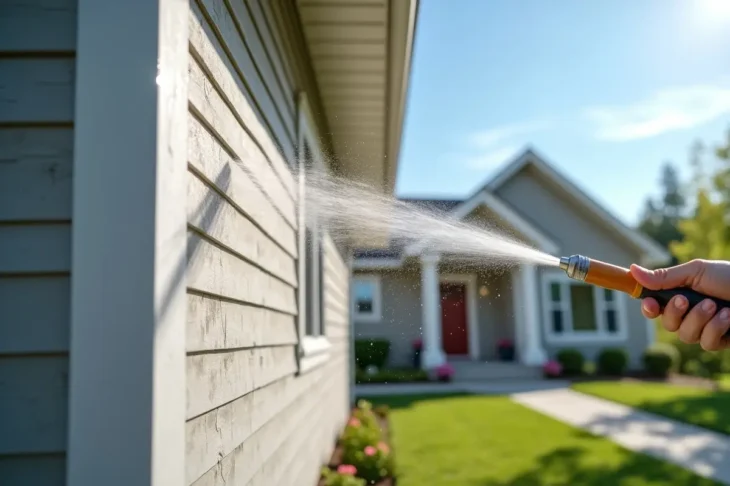
If you are looking for a quick green-up, synthetic fertilizers are tempting. They deliver a concentrated dose of water-soluble nutrients directly to the plant roots. However, this immediate gratification often comes at a steep price for the future of your garden.
To understand which is truly better for long-term yield, we have to look at the health of the soil as a bank account. Synthetic products are like withdrawing capital, while organic garden fertilizer is like reinvesting for compound interest.
The Synthetic Spike and the Subsequent Crash
Synthetic fertilizers are primarily composed of mineral salts. When these salts enter the soil, they provide an instant buffet for the plants. You will see rapid stem growth and bright green leaves almost overnight. But because these nutrients are not bound to organic matter, they wash away easily with rain or irrigation.
More importantly, these salts can be toxic to the delicate microorganisms that live in the soil. Over time, heavy use of synthetics leads to soil compaction and a total loss of biological life. This creates a dependency where the soil can no longer provide for the plants on its own. Eventually, you have to apply more and more chemical input just to get the same baseline yield, a phenomenon known as the law of diminishing returns.
How Organic Garden Fertilizer Builds Yield Capacity
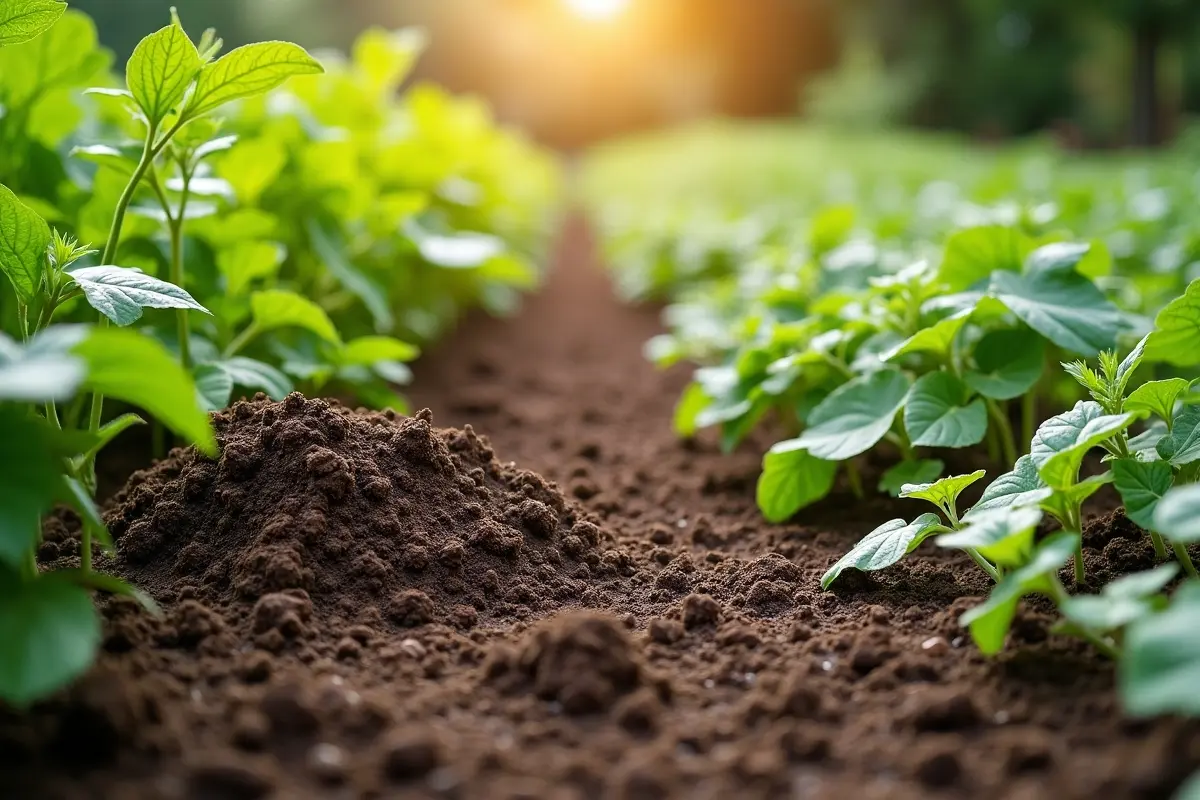
When you choose an organic garden fertilizer, you are playing the long game. These products don’t just feed the plant; they build the infrastructure of the soil. This leads to several advantages that actually increase your yields as the years go by.
- Nutrient Density: Plants grown in organic systems often have higher levels of minerals and antioxidants. While a synthetic tomato might be large, an organic one is often denser and more flavorful because the plant has had access to a full spectrum of micronutrients.
- Root Architecture: Because organic nutrients are released slowly by microbes, the plant is encouraged to grow a massive, complex root system to go find that food. A bigger root system means a more resilient plant that can pump more energy into fruit production.
- Water Efficiency: Organic matter acts like a sponge. In a drought year, a synthetic garden will wither quickly because the soil cannot hold moisture. An organic garden will keep producing because the soil structure is designed to store water.
Permaculture and the Power of Biodiversity
In a permaculture system, we don’t just look at one plant in a vacuum. We look at how each plant helps the others. When you use organic garden fertilizer, you support an ecosystem where biodiversity does the heavy lifting for you.
For example, when you have a healthy soil food web, you have beneficial fungi called mycorrhizae. These fungi attach to plant roots and effectively extend their reach hundreds of times. They can mine phosphorus and water from deep in the earth that the plant could never reach on its own. This symbiotic relationship is destroyed by synthetic chemicals but is fueled by organic inputs.
In a biodiverse garden, different plants occupy different niches. Legumes fix nitrogen, while deep-rooted herbs bring up minerals. This natural cooperation ensures that the soil stays fertile season after season without needing a chemical rescue.
The Resilience Factor
Long-term yield is not just about the best day of the season; it is about surviving the worst day. Pests and diseases are attracted to the weak, watery growth caused by excessive synthetic nitrogen. Plants grown with organic garden fertilizer have thicker cell walls and stronger natural defenses.
By following the regenerative path championed by leaders like Mil Agro, you are creating a garden that can defend itself. This means fewer losses to blight, aphids, or extreme weather. When your plants don’t have to spend all their energy fighting for survival, they can put all that energy into your harvest.
Transitioning for Better Results
If you want to move away from the synthetic cycle and toward a high-yielding organic system, the transition is simple but requires patience.
- Stop the Salt: Cease the use of high salt synthetic fertilizers that kill soil life.
- Feed the Microbes: Apply a high-quality organic garden fertilizer to provide the carbon that bacteria and fungi need to rebuild.
- Protect the Surface: Use organic mulch to keep the soil cool and moist, which allows the nutrient cycling to happen 24 hours a day.
- Increase Diversity: Plant a wide variety of species to ensure the soil stays balanced and vibrant.
Conclusion: Investing in the Future
While synthetics might win a sprint, organic garden fertilizer wins the marathon. By focusing on the health of the entire ecosystem and embracing the principles of permaculture, you are ensuring that your land becomes more productive every single year.
Brands like Mil Agro represent a shift toward this smarter way of growing. It is about working with nature rather than trying to outsmart it. When you build the soil, you aren’t just growing a garden for this summer; you are building a legacy of health and abundance that will yield fruit for decades to come.