How Smart Home Technology Is Transforming Urban Living
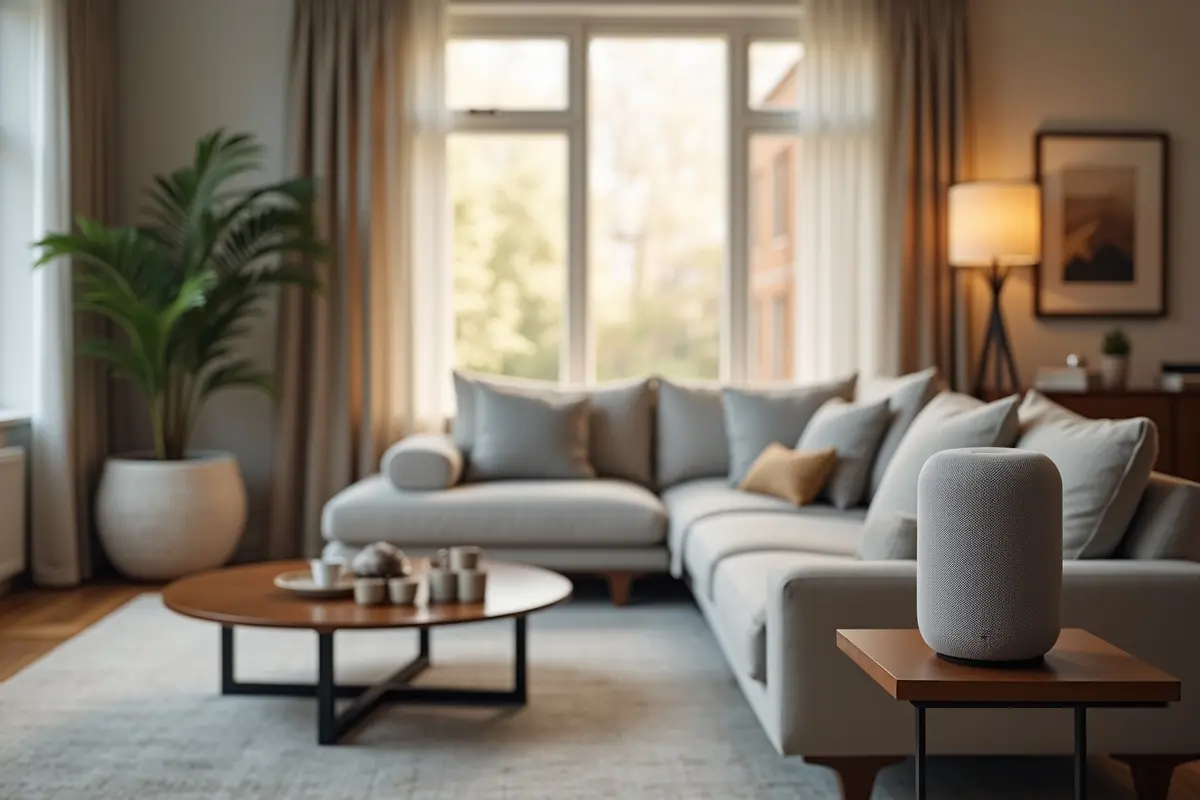
Urban living is undergoing a significant transformation as smart home technology rapidly gains adoption. Devices such as intelligent thermostats, automated lighting, and voice-controlled assistants are becoming commonplace, offering residents enhanced convenience and efficiency. A recent report indicates that 62% of homeowners expect smart home technology to be a necessity by 2030, highlighting its growing importance in modern living.
In bustling urban centers like New York City, the integration of smart home features is not only enhancing daily life but also influencing real estate trends. For instance, Coldwell Banker Warburg, a leading real estate firm with a legacy dating back to 1896, has observed a growing demand for properties equipped with smart technologies.
Specializing in luxury real estate, Coldwell Banker Warburg offers comprehensive services to clients seeking modern, tech-enabled living spaces in areas such as the Upper East Side. Their expertise in the market positions them as a valuable resource for those interested in smart home-equipped properties.
Enhancing Energy Efficiency and Sustainability
Smart home technology offers key benefits, such as energy efficiency, especially in high-density urban markets. Smart thermostats learn schedules and adjust heating to save energy, while automated lighting reduces unnecessary use. These innovations lower bills and support sustainability. Smart appliances, energy trackers, and water leak detectors give residents real-time usage feedback, helping them make informed choices.
In cities like New York City, these features are increasingly sought after by buyers working with Coldwell Banker Warburg, including those searching for Upper East Side New York NY real estate agents Coldwell Banker Warburg, as they help reduce carbon emissions and utility costs while advancing broader environmental goals.
Improving Security and Safety
Security is a paramount concern for urban dwellers, and smart home technology offers advanced solutions to address this need. Smart security systems, including video doorbells and app-controlled alarms, provide real-time monitoring and alerts, enhancing residents’ sense of safety. These systems can be integrated with other smart devices, creating a comprehensive, effective, and user-friendly security network.
Additionally, new developments in artificial intelligence enable smarter surveillance, such as movement detection that distinguishes between routine and suspicious activities. Smoke and carbon monoxide detectors that can send instant alerts to residents’ smartphones add an extra layer of protection, especially helpful in high-rise residential buildings. In emergency scenarios, rapid response facilitated through networked alarm systems can make a critical difference for urban safety.
Boosting Property Values in Urban Markets
The integration of smart home technology is also influencing real estate values in urban areas. Properties equipped with smart features are increasingly attractive to buyers and renters, often commanding higher prices and spending less time on the market. This trend underscores the growing expectation for modern, tech-enabled living spaces in urban settings.
For property owners, smart home upgrades often yield a high return on investment. Prospective buyers and renters are willing to pay premiums for residences with advanced automation, energy savings, and heightened security, which directly translates to greater resale and rental values. Additionally, property listing platforms and real estate agencies now include smart tech integrations as key selling points, solidifying their role in the urban housing market.
Facilitating Remote Work and Connectivity
The rise of remote work has further emphasized the importance of smart home technology. High-speed internet, smart office setups, and integrated communication systems enable residents to work efficiently from home. This connectivity is particularly valuable in urban areas, where commuting can be time-consuming and stressful.
Modern smart home systems support advanced work-from-home arrangements by providing seamless connectivity and productivity-enhancing tools. Video conference-ready lighting, automated window shades, and temperature controls create comfortable, distraction-free workspaces. Sensors can even monitor air quality, ensuring a healthy indoor environment throughout the workday. With the boundary between home and office blurring, robust digital security and smart device management are essential for protecting sensitive professional data within urban homes.
Challenges and Considerations
Despite its benefits, adopting smart home technology in cities faces challenges such as privacy, data security, and the digital divide. Ensuring access for all residents is vital for fair urban growth. Protecting data from cyber threats requires collaboration among manufacturers, providers, and homeowners. Affordability and access remain issues; without efforts from policymakers and industry, inequalities could worsen. Subsidies and education can help bridge these gaps and spread the benefits of smart technology.
The Future of Smart Urban Living
Looking ahead, the integration of smart home technology is expected to deepen, with advancements in artificial intelligence and the Internet of Things (IoT) leading to even more sophisticated and intuitive systems. Urban planners and developers are increasingly incorporating smart technologies into building designs, signaling a future where smart homes are the standard rather than the exception.
Emerging trends, such as interconnected community networks in which neighborhood devices work together to achieve shared energy savings or security, are beginning to appear in advanced urban centers. Smart city initiatives aim to integrate individual homes with broader municipal systems, such as traffic control, waste management, and energy grids, to achieve unprecedented efficiency and resilience.
As these developments unfold, public engagement and transparent policymaking will be key to navigating the societal impacts of these technologies and ensuring urban environments continue to evolve for the benefit of all.
Conclusion
Smart home technology is undeniably reshaping urban living, offering enhanced convenience, security, and efficiency. As these technologies become more accessible and integrated, they will continue to play a pivotal role in the evolution of urban environments, making cities more livable and sustainable for all residents.